ORTHO – Left stifle cranial cruciate rupture with incomplete meniscal injury and degenerative joint disease (DJD) in a 6 year old FS Nova Scotia Duck Tolling Retriever dog

Case Study

ORTHO – Left stifle cranial cruciate rupture with incomplete meniscal injury and degenerative joint disease (DJD) in a 6 year old FS Nova Scotia Duck Tolling Retriever dog

This 6 year old FS Nova Scotia Duck Tolling Retriever dog presented with injury to the left stifle. Positive cranial drawer, positive cranial tibial thrust (CTT), painful left stifle, and medial buttress. 

CBC/Chem WNL
This 6 year old FS Nova Scotia Duck Tolling Retriever dog presented with injury to the left stifle. Positive cranial drawer, positive cranial tibial thrust (CTT), painful left stifle, and medial buttress. 

CBC/Chem WNL
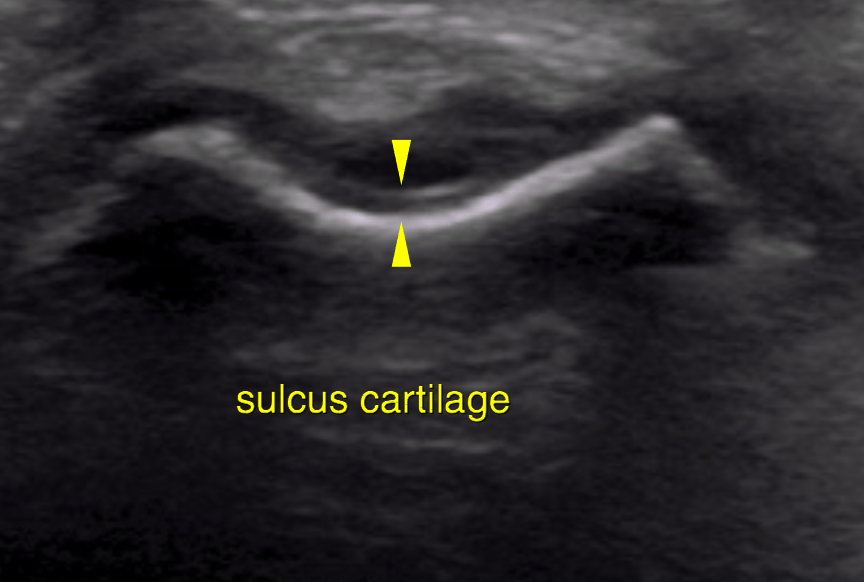
Image Interpretation

Ultrasonographic examination of the left stifle joint-
Left stifle joint: 
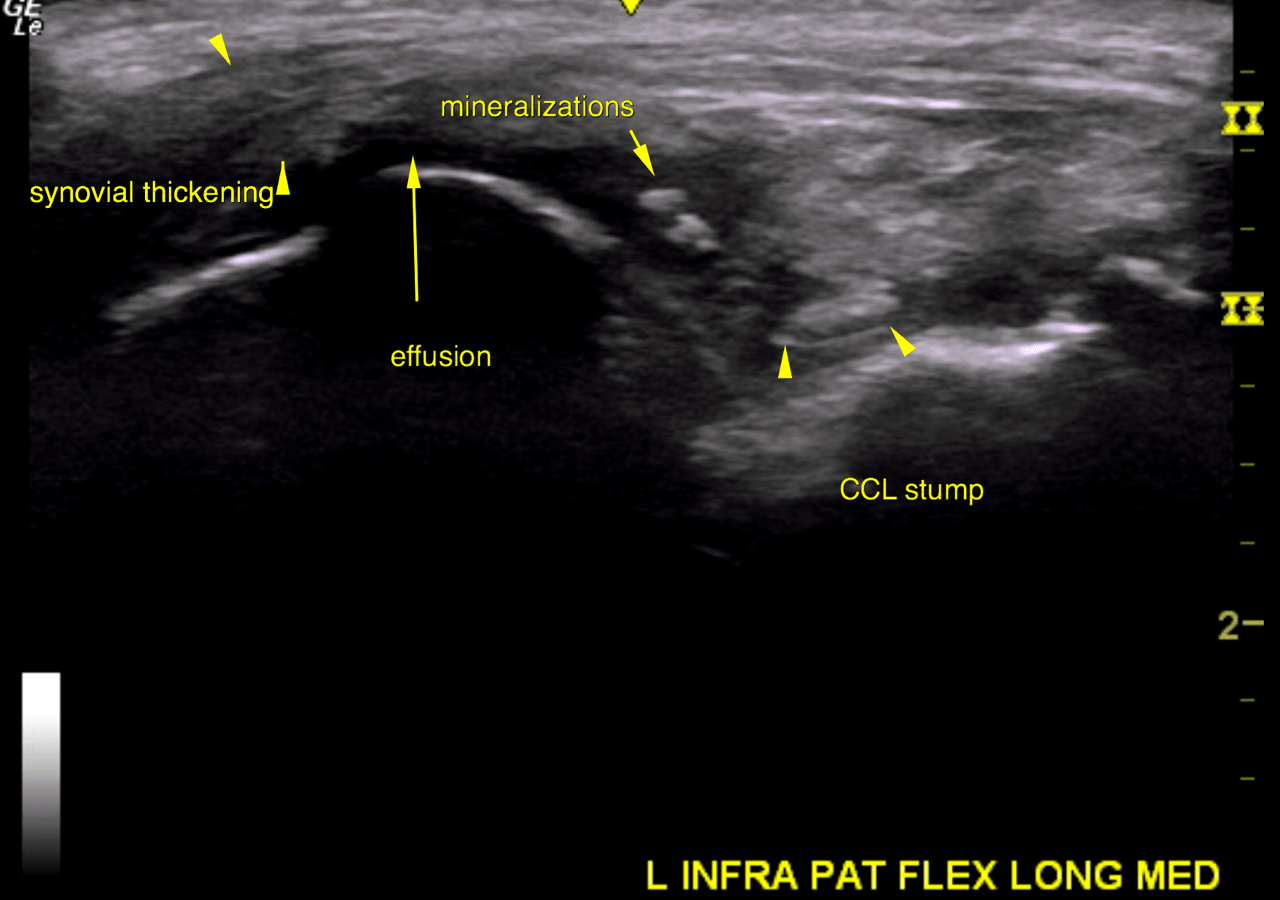
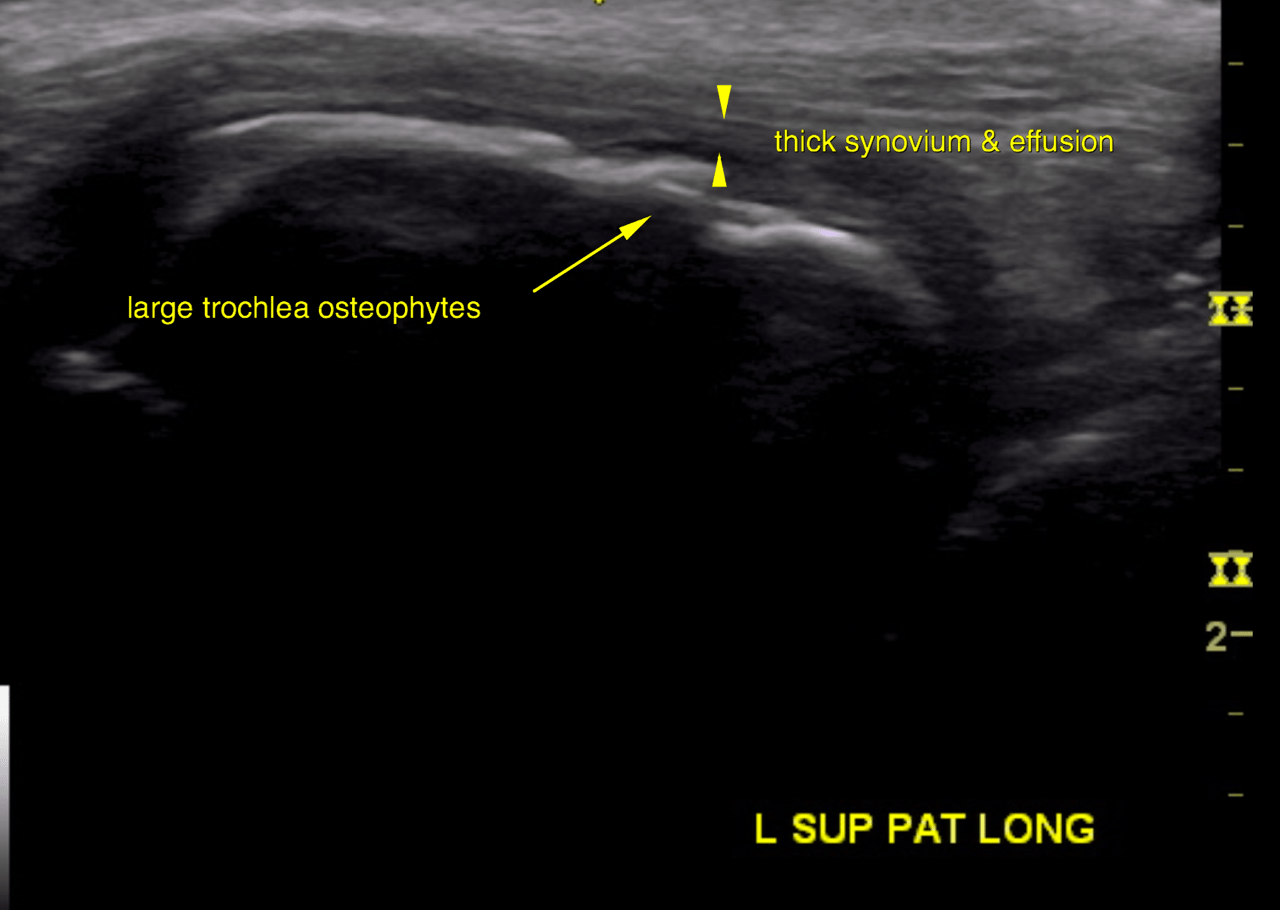
Both the supra- and infrapatellar recess of the left stifle joint contain a moderate
amount of anechoic effusion. The joint capsule reveals moderate thickening. Marked
synovial proliferations are noted.
The cartilage layers as appreciated onto the femoral trochlea and the femoral condyles
are even and smooth and anechoic as far as seen.
A moderate amount of osteophytes is noted at the periarticular margins of the
femoropatellar and femorotibial joints most pronounced at the femoral trochlea/patella
sulcus.
The cranial cruciate ligament (CCL) presents as a very short broad echogenic stump
next to the distal insertion at the intercondylar eminence of the tibia surrounded by
periligamentous effusion.
The infrapatellar fat body presents heterogenous with multifocal decrease in
echogenicity as well as mineralizations as found commonly in chronic degenerative
joint disease (DJD). 
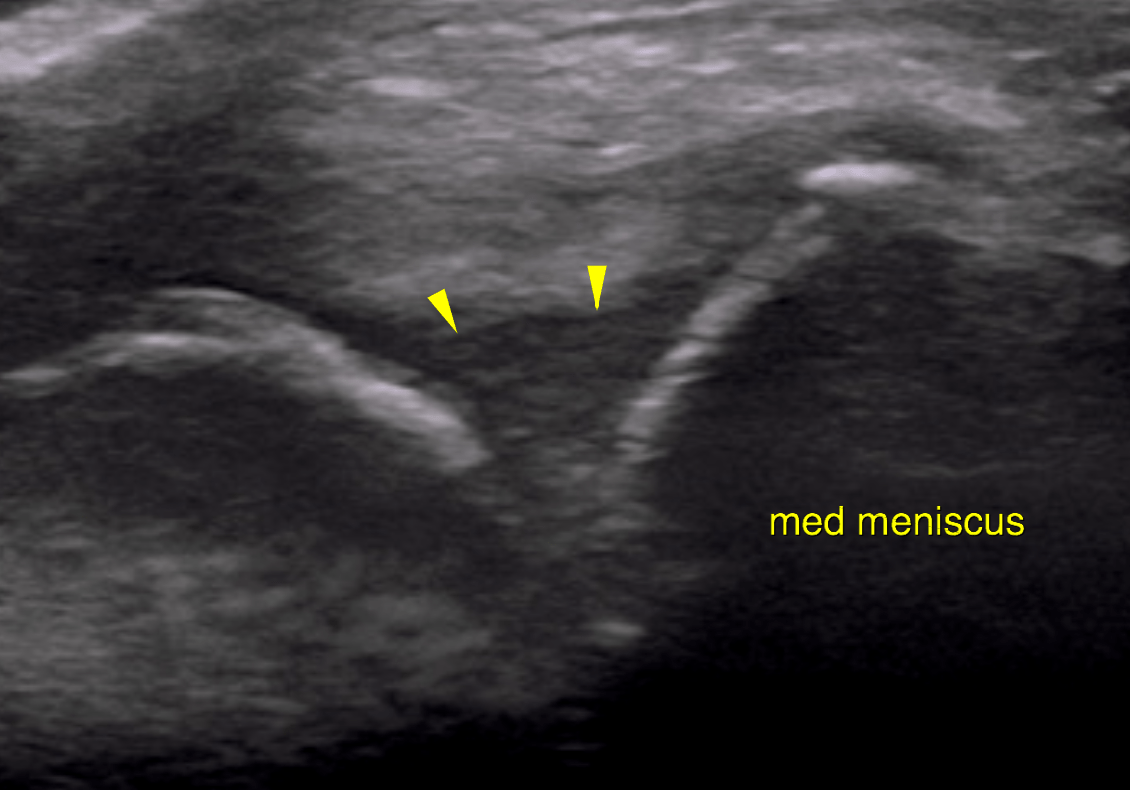
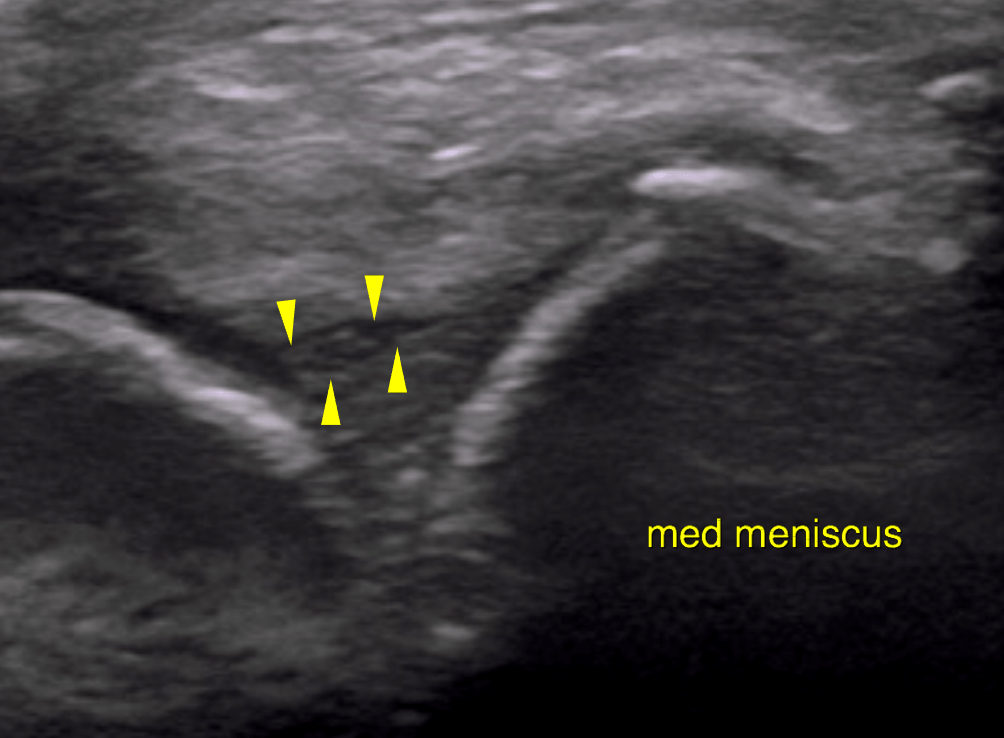
The medial meniscus is well visible. It is in situ with mildly uneven surface. In one of
the loops a faint incomplete hypoechoic fissure line that appears to incompletely
separate a thin superficial meniscal flake is seen. There is no local effusion.
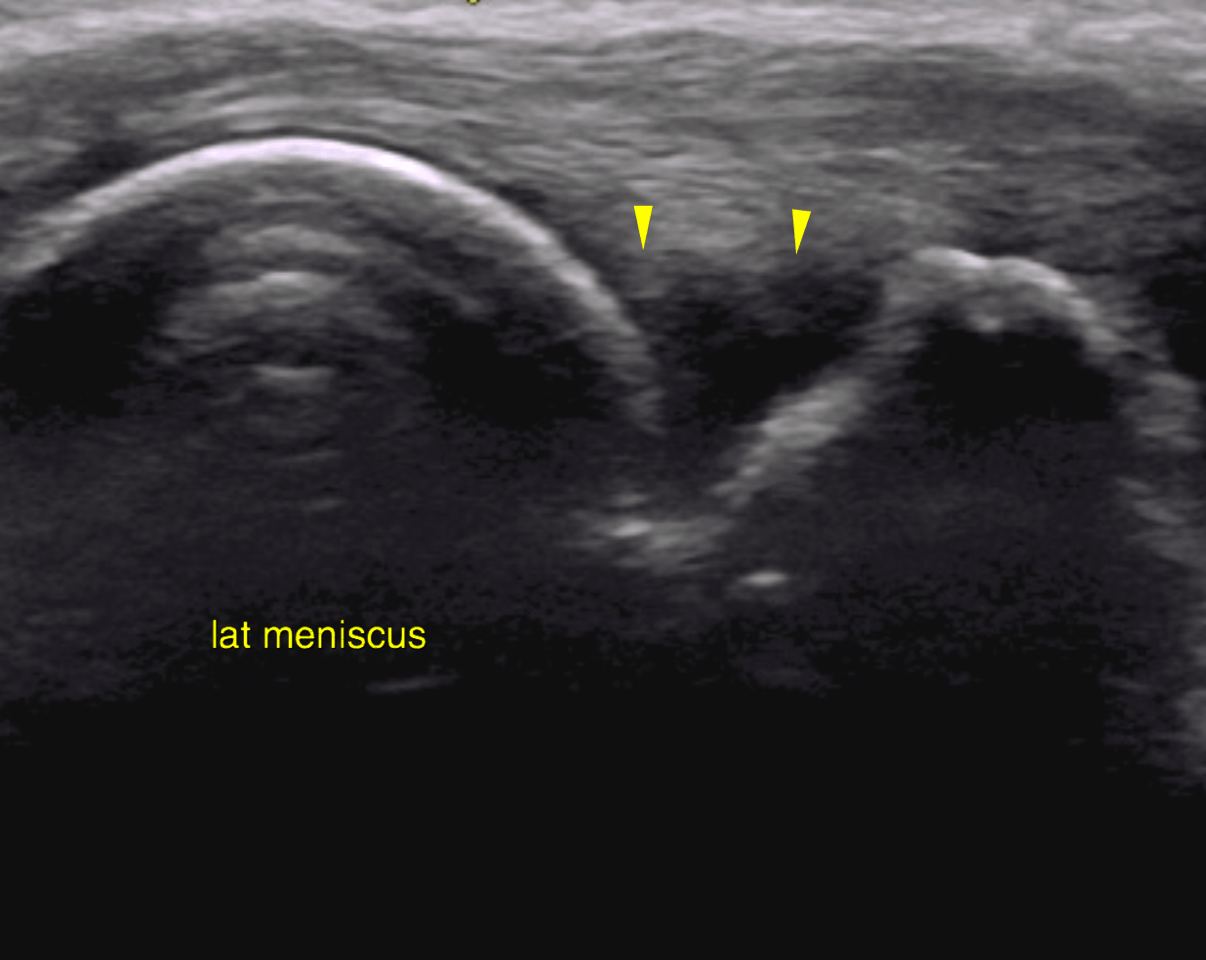
The lateral meniscus shows signs of mild degeneration. There is no evidence of meniscal injury. The position is in situ. A large amount of synovial proliferation is
noted within the lateral compartment oft he femorotibial joint.

DX

The findings of the left stifle joint are compatible with moderate generalized chronic degenerative joint disease (DJD) with joint effusion, osteophytosis, capsular fibrosis and synovitis. Moreover the findings are consistent with rupture of the cranial cruciate ligament. Full biomechanical failure is assumed here. There is indication of a peripheral incomplete medial meniscal injury. This is unlikely to be clinically relevant at this point but may progress to a horizontal tear or horizontal flap tear when femorotibial biomechanical instability continues to exist.

Patient Information

Patient Name : Meisje Van Wiltenburg
Gender : Female, Spayed
Species : Canine
Type of Imaging : Ultrasound
Status : Complete
Liz Wuz Here : Yes

Clinical Signs

  • Lameness
  • Pain

Exam Finding

  • Cranial drawer posiive

Images

bildschirmfoto_2016-02-11_um_15bildschirmfoto_2016-02-11_um_15bildschirmfoto_2016-02-11_um_15bildschirmfoto_2016-02-11_um_15bildschirmfoto_2016-02-11_um_15bildschirmfoto_2016-02-11_um_15

Clinical Signs

  • Lameness
  • Pain
Skip to content