Acute and chronic hemorrhage secondary to splenic thrombosis in a 6 year old MI English Bulldog

Case Study

Acute and chronic hemorrhage secondary to splenic thrombosis in a 6 year old MI English Bulldog

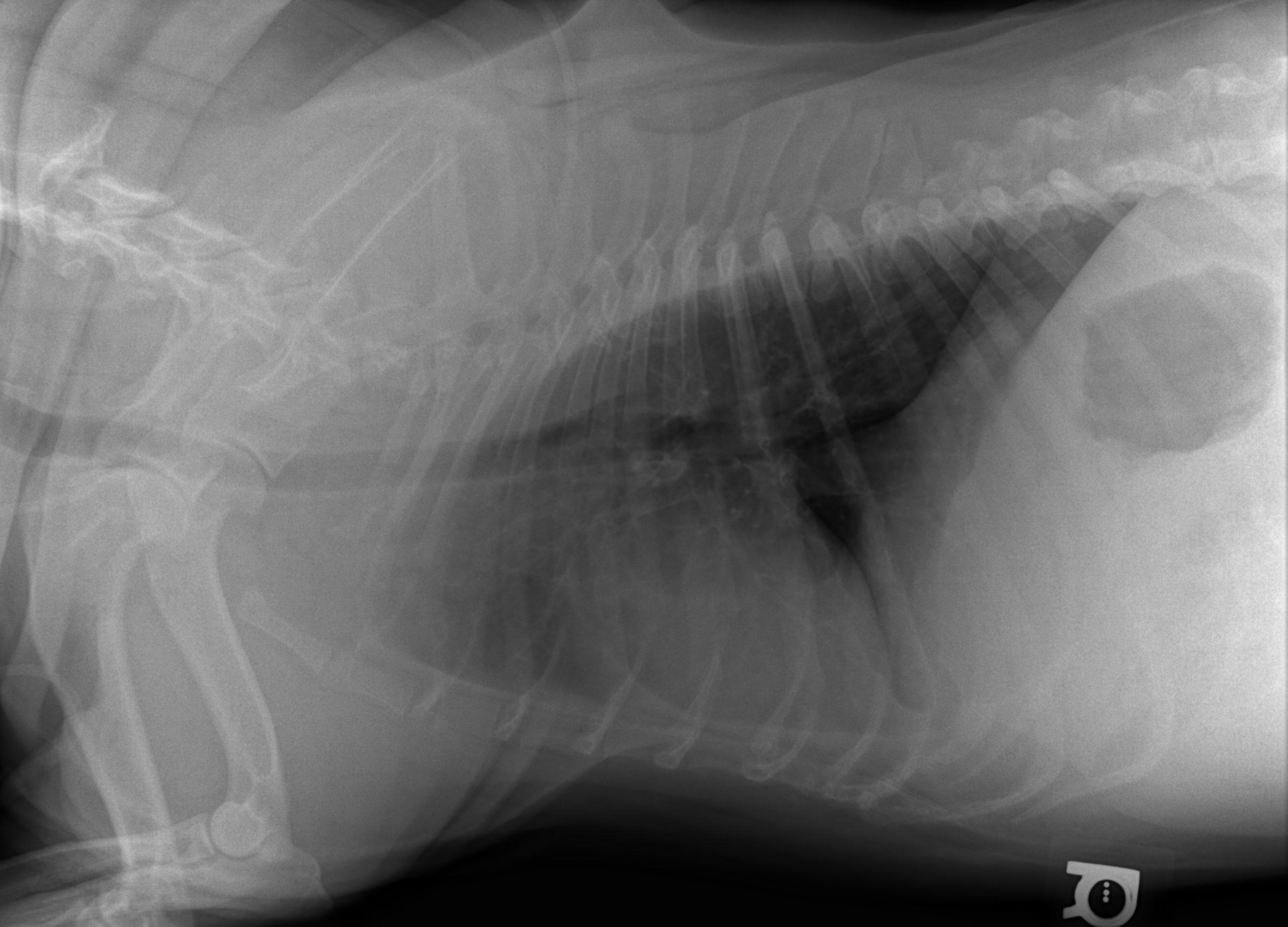
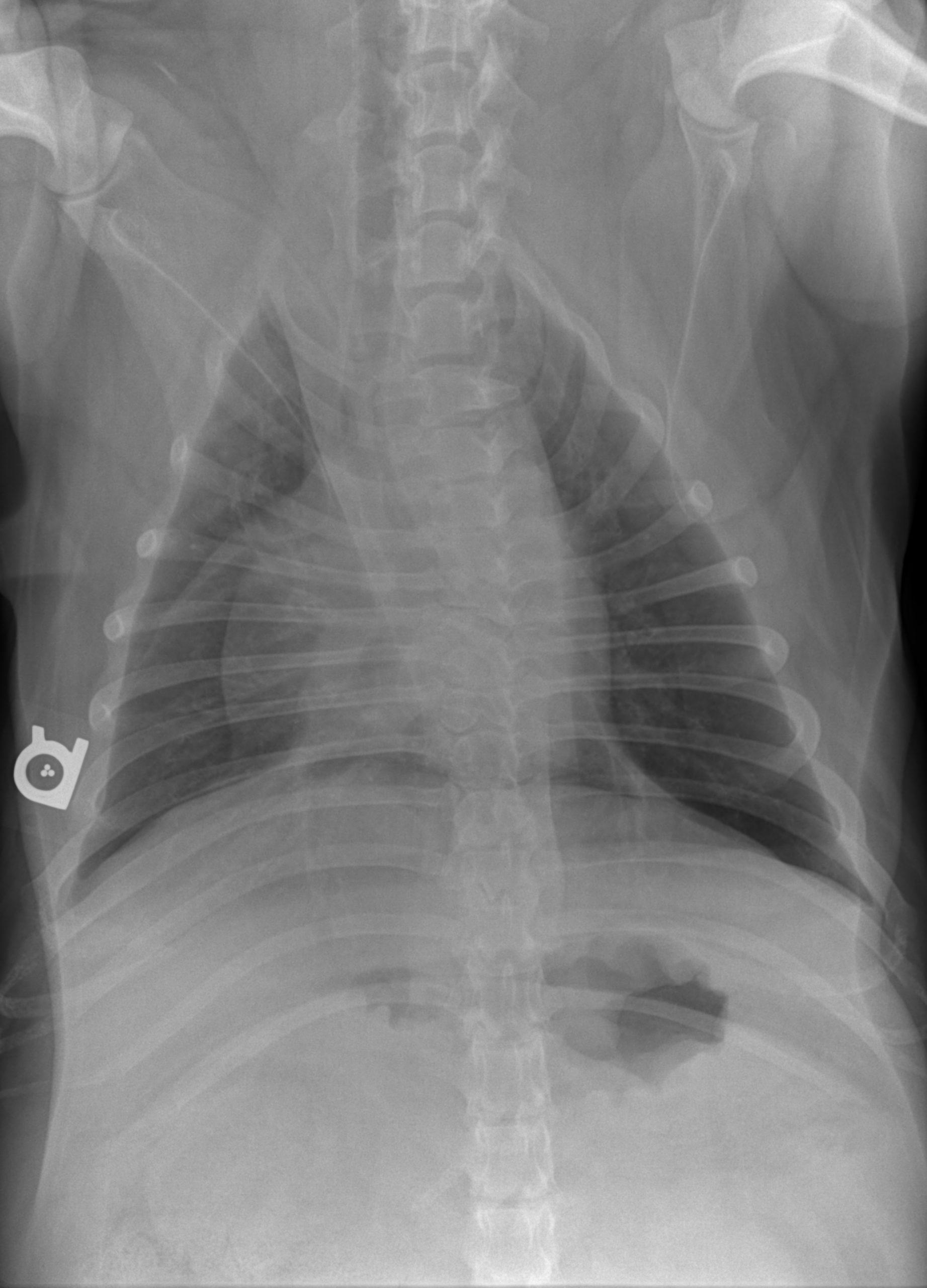
A 6-year-old intact male English Bulldog was presented for 2-3 days of intermittent vomiting and lethargy. Physical exam found the patient to be tachycardic with pale mucous membranes and a palpable mass in the abdomen. Serum biochemistry revealed elevated alkaline phosphatase, hypernatremia, and mild hypochloremia. On CBC, a decreased HCT in conjunction with a high MCV was noted, in addition to a neutrophilia, monocytosis and thrombocytopenia. No abnormalities were noted on thoracic radiographs.

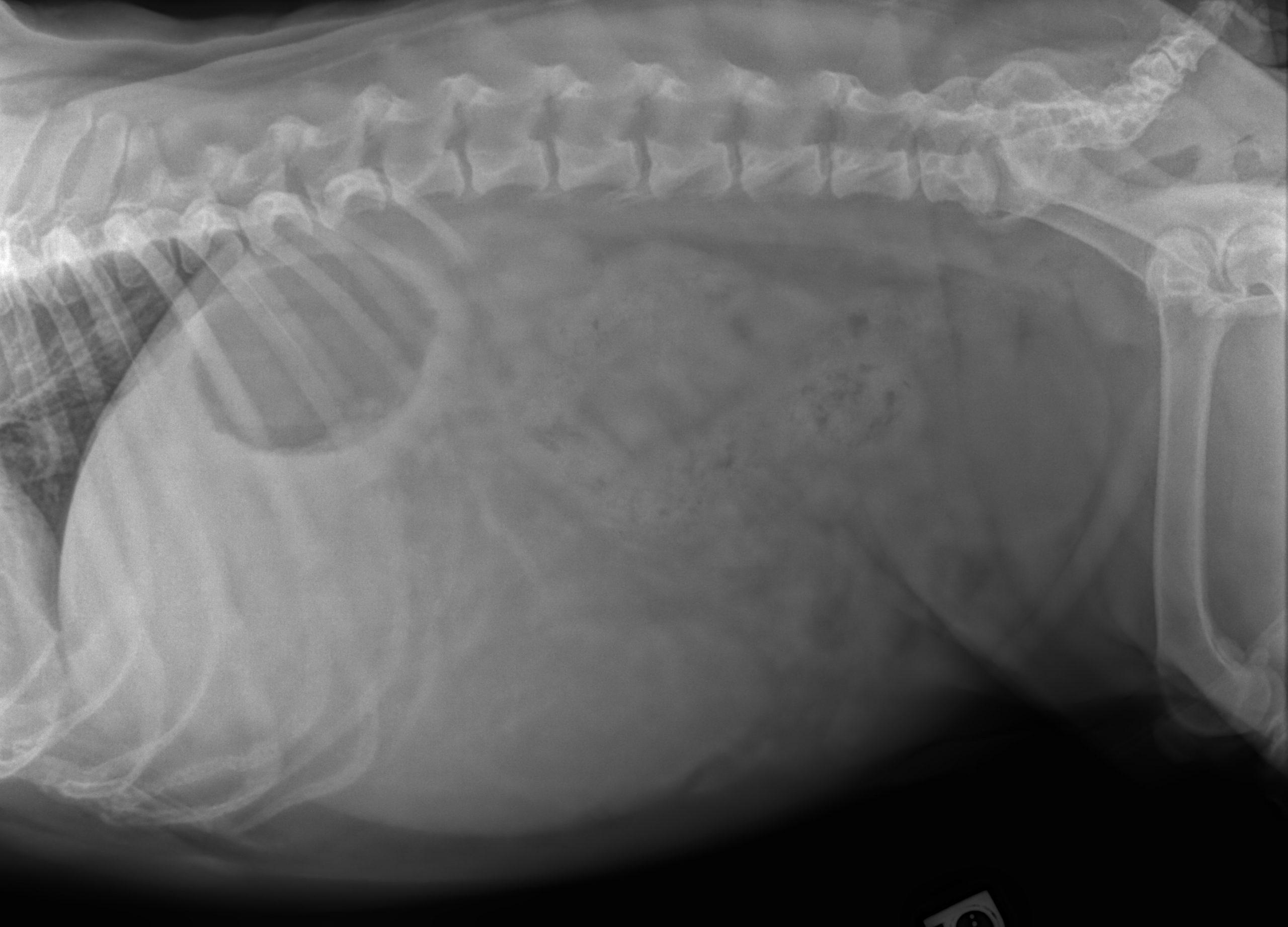
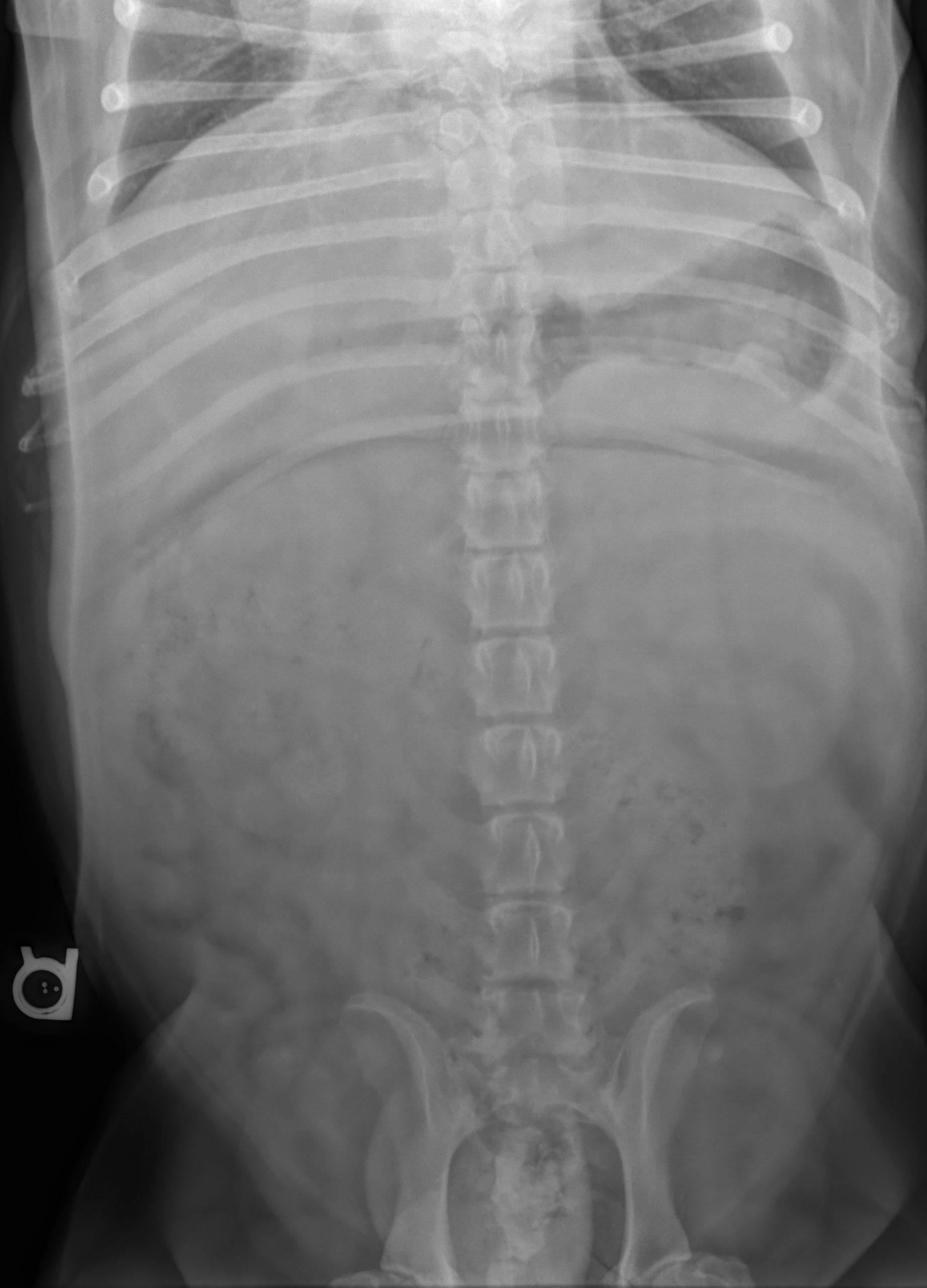
A 6-year-old intact male English Bulldog was presented for 2-3 days of intermittent vomiting and lethargy. Physical exam found the patient to be tachycardic with pale mucous membranes and a palpable mass in the abdomen. Serum biochemistry revealed elevated alkaline phosphatase, hypernatremia, and mild hypochloremia. On CBC, a decreased HCT in conjunction with a high MCV was noted, in addition to a neutrophilia, monocytosis and thrombocytopenia. No abnormalities were noted on thoracic radiographs. Abdominal radiographic findings revealed a loss of contrast in the cranial abdomen, with the possibility of a splenic mass. Radiographic Interpretation showed marked splenomegaly strongly suspected to be secondary to torsion, although accompanying infiltrative or neoplastic pathology could not be ruled out. The small volume of peritoneal effusion and inflammation was likely secondary to the splenic pathology. Thoracic radiographs showed mild microcardia and under perfused pulmonary vasculature in support of hypovolemia. Atypical intrathoracic fat distribution was considered to be incidental in this dog. This dog had multiple hemivertebrae.
Sonographic Differential Diagnosis

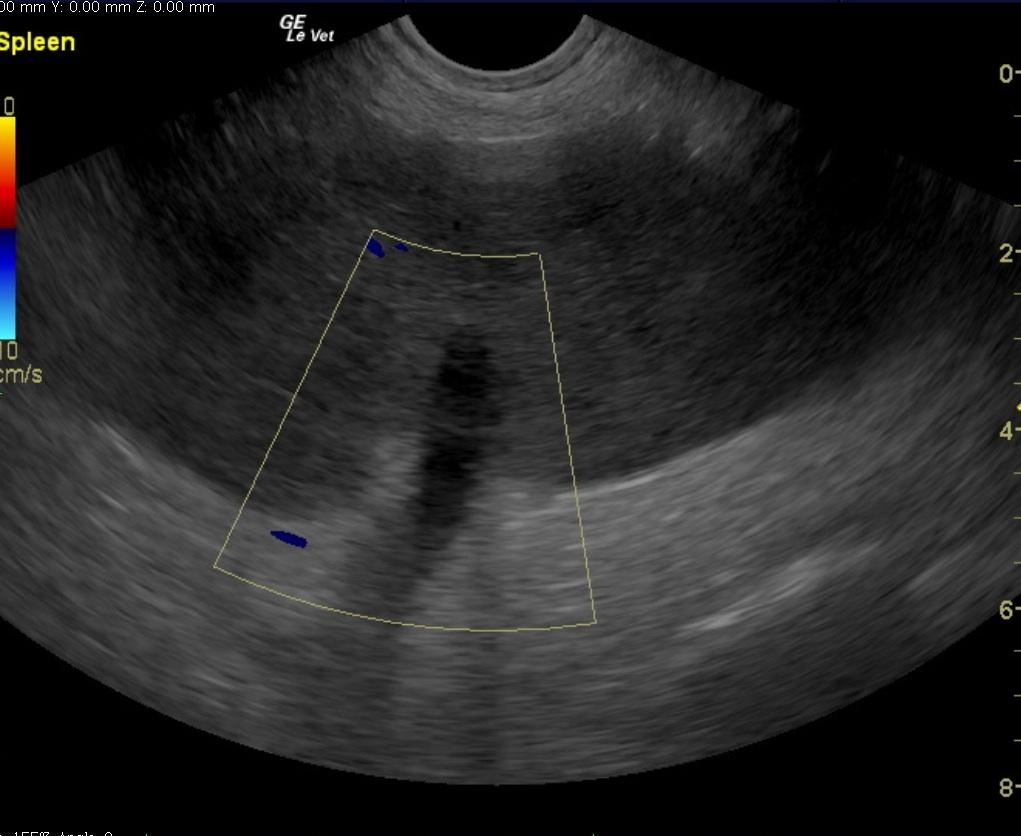
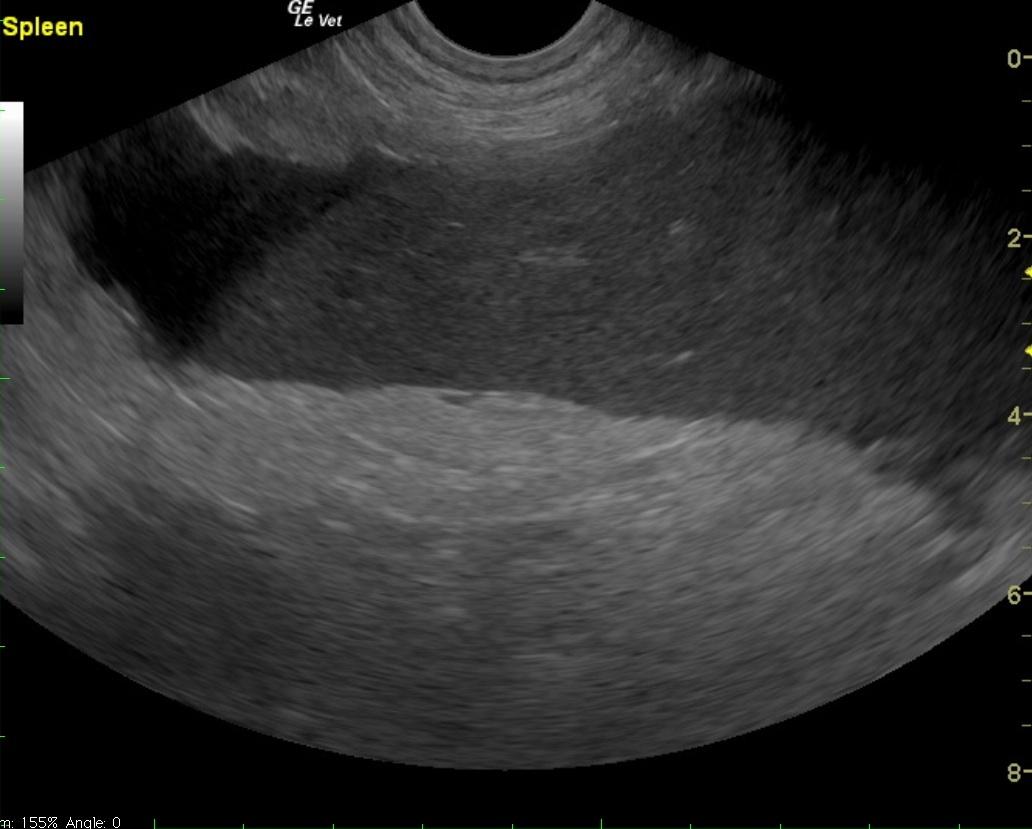
Hypovascular to avascular parenchymal splenic pathology is likely due to splenic thrombosis, infarction with likely underlying splenic torsion and/or an infiltrative process such as lymphoma or other round cell neoplasia. Immediate splenectomy is recommended or US-guided sampling if multiple organs appear affected.

Image Interpretation

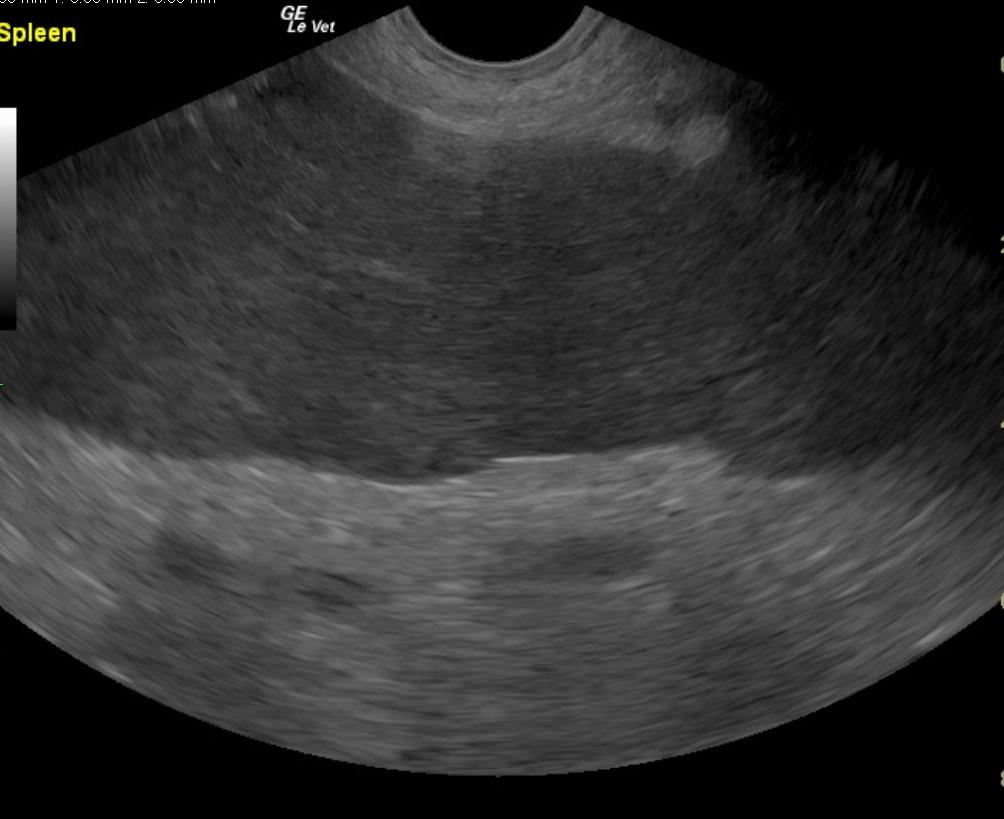
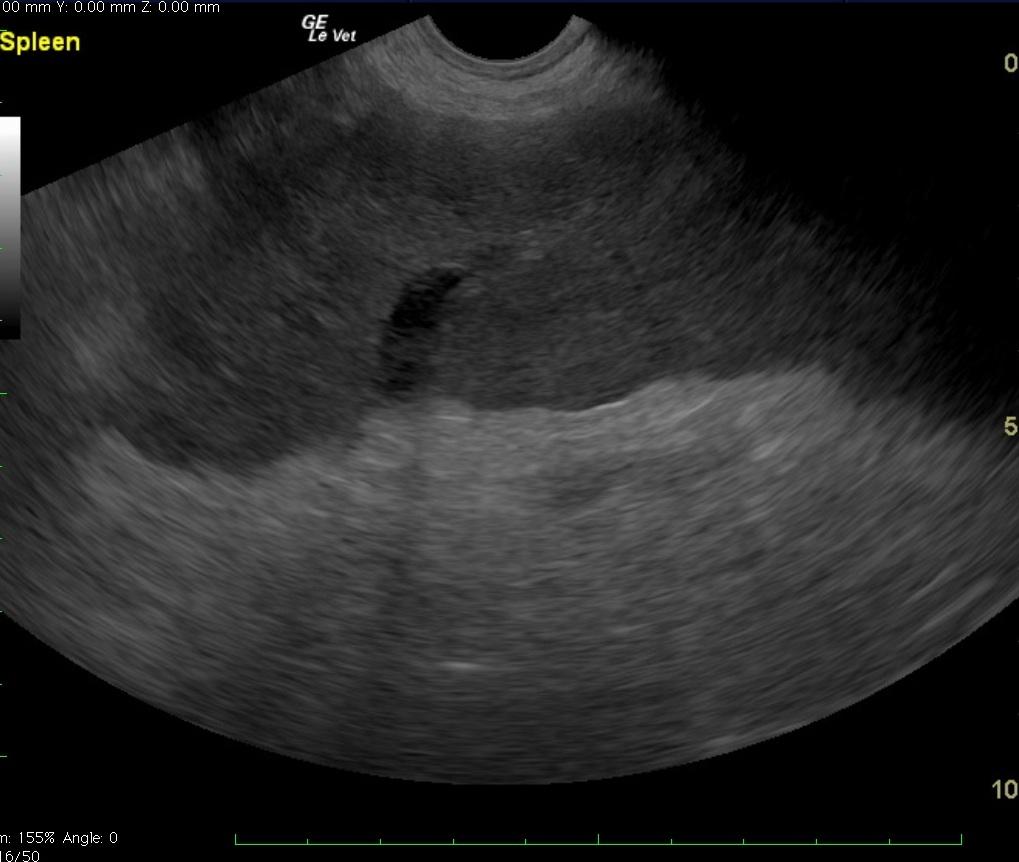
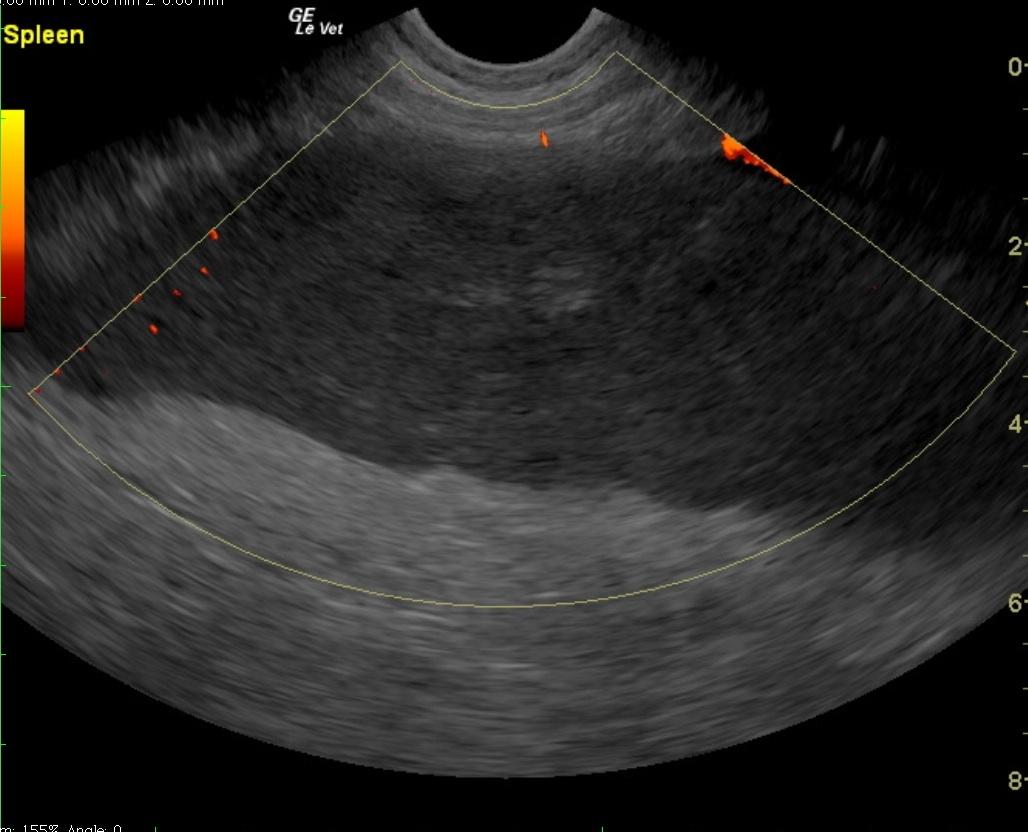
The spleen shows a mildly heteroechoic and moderately hypoechoic parenchyma, echogenic vascular walls, scalloping capsular contour and increased pericapsular fat echogenicity. There is complete lack of blood flow in the hilar vessels given the lack of color flow signal over the anechoic vessels. The free fluid associated with this presentation indicates either hemorrhage or transudate deriving from an infiltrative process. There is minimal power Doppler signal over the coarse and micronodular splenic parenchyma. A dilated splenic vessel with echogenic content in the far field likely indicates thrombosis given the complete lack of power Doppler signal either within the vessel or the parenchyma.

DX

Splenic thrombosis with hemorrhage

Outcome

The patient responded well to splenectomy and recovered uneventfully post-op.

Clinical Differential Diagnosis

Hemangiosarcoma, hemangioma, splenic abscess, splenic torsion, other neoplasia.

Sampling

Abdominocentesis revealed blood in the abdomen prior to surgery. Splenectomy revealed marked acute and chronic hemorrhage with mild hemosiderosis. There was thrombosis and marked acute hemorrhage of adjacent vessels. Collagenous fibrosis, cartilaginous metaplasia, and dystrophic mineralization were present in one vessel. There was no evidence of neoplasia.

Patient Information

Patient Name : Popeye K
Gender : Male, Intact
Species : Canine
Type of Imaging : Ultrasound
Status : Complete
Liz Wuz Here : Yes
Code : 08_00007

Clinical Signs

  • Lethargy
  • Vomiting

Exam Finding

  • Pale Mucous Membranes
  • Palpable mass
  • Tachycardia

Images

Image1_01102011071356Image_2_05092010092649Image3_01102011071926Image4_01102011072140AbsentflowinSplenicVein_01102011072229Freefluidwiththrombosedspleen_01102011072255Image5_01102011072323Splenicvein_01102011072347Thrombosedspleen_01102011072417

Blood Chemistry

  • Alkaline Phosphatase (SAP), High
  • Chloride, Low
  • Sodium, High

CBC

  • Hematocrit, Low
  • Monocytes, High
  • Neutrophils, High
  • Platelet Count, Low
  • RBC, Low

Clinical Signs

  • Lethargy
  • Vomiting
Skip to content