CT – Portal Hypertension with possible Arteriovenous Fistula in a 2 year old FS Havanese dog

Case Study

CT – Portal Hypertension with possible Arteriovenous Fistula in a 2 year old FS Havanese dog

Abdominal ultrasound revealed small liver, ascites, shunt. Bile acids were elevated. Started the patient on amoxicillan and metronidazole. CBC was normal. Chemistry showed BUN low, ALT elevated. Urinalysis was WNL.

Abdominal ultrasound revealed small liver, ascites, shunt. Bile acids were elevated. Started the patient on amoxicillan and metronidazole. CBC was normal. Chemistry showed BUN low, ALT elevated. Urinalysis was WNL.

Image Interpretation

CT of the abdomen, plain and 2 post-contrast series: The scan did not cover for the region caudal to the renal arteries and veins.
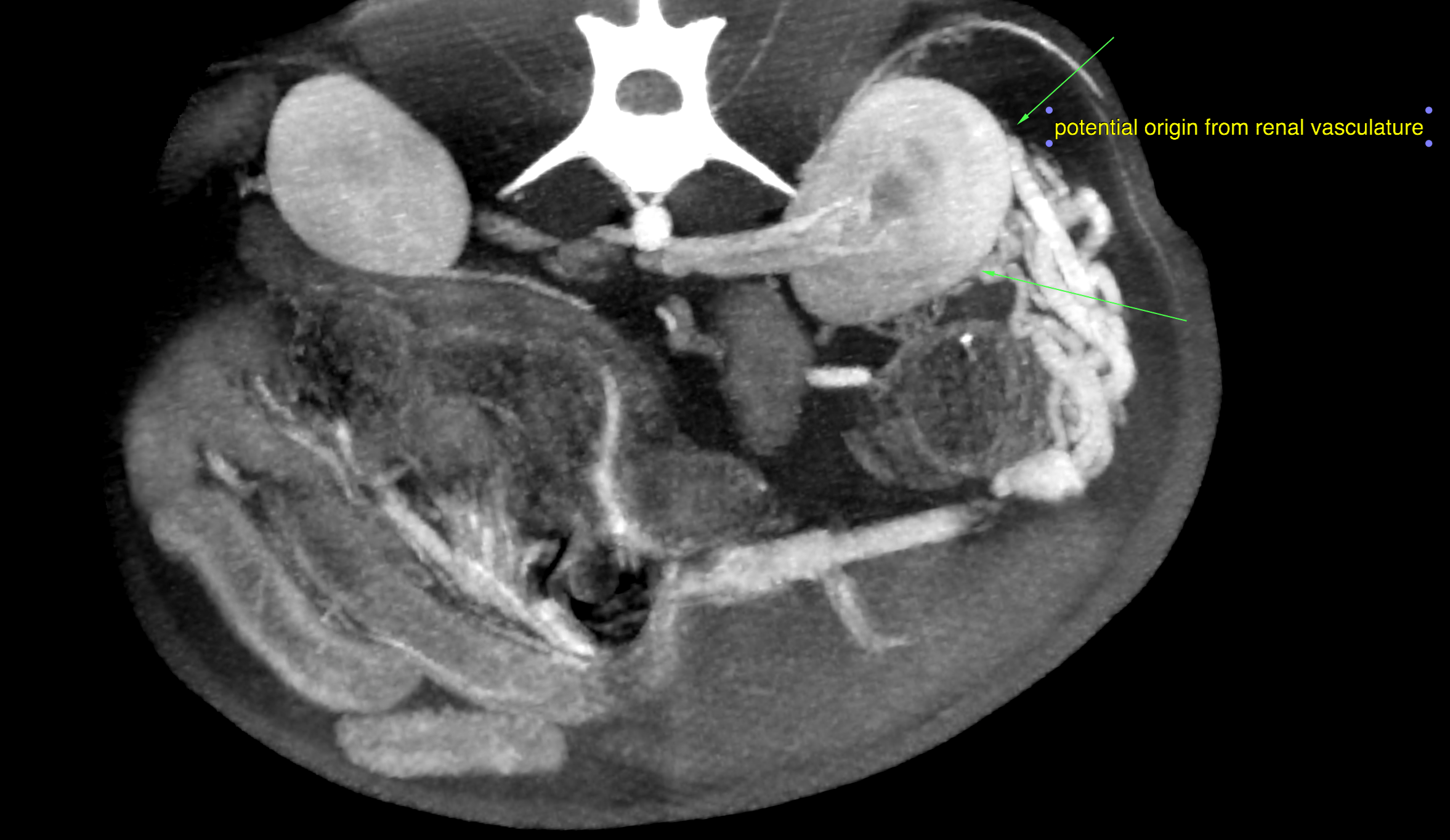
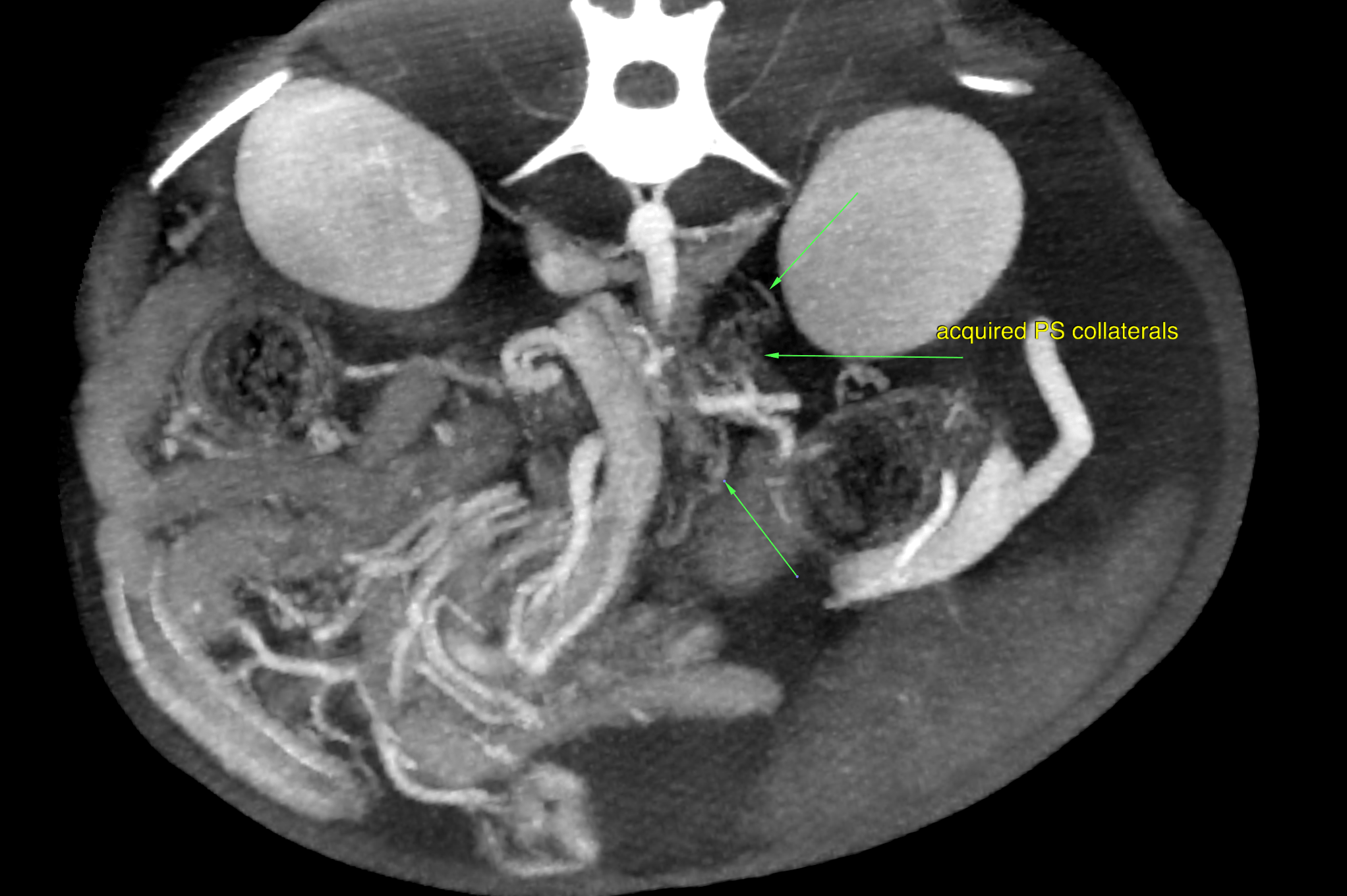
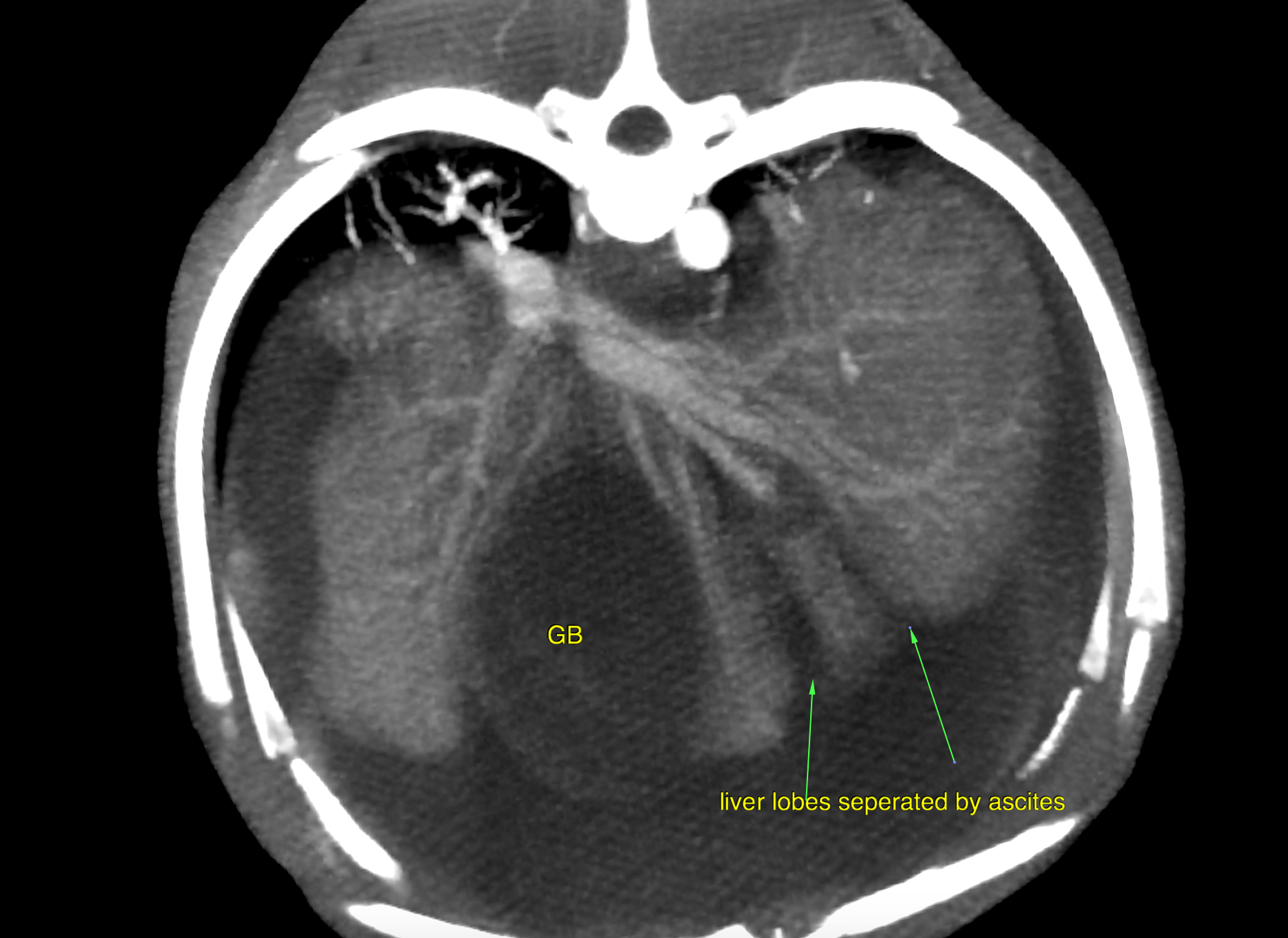
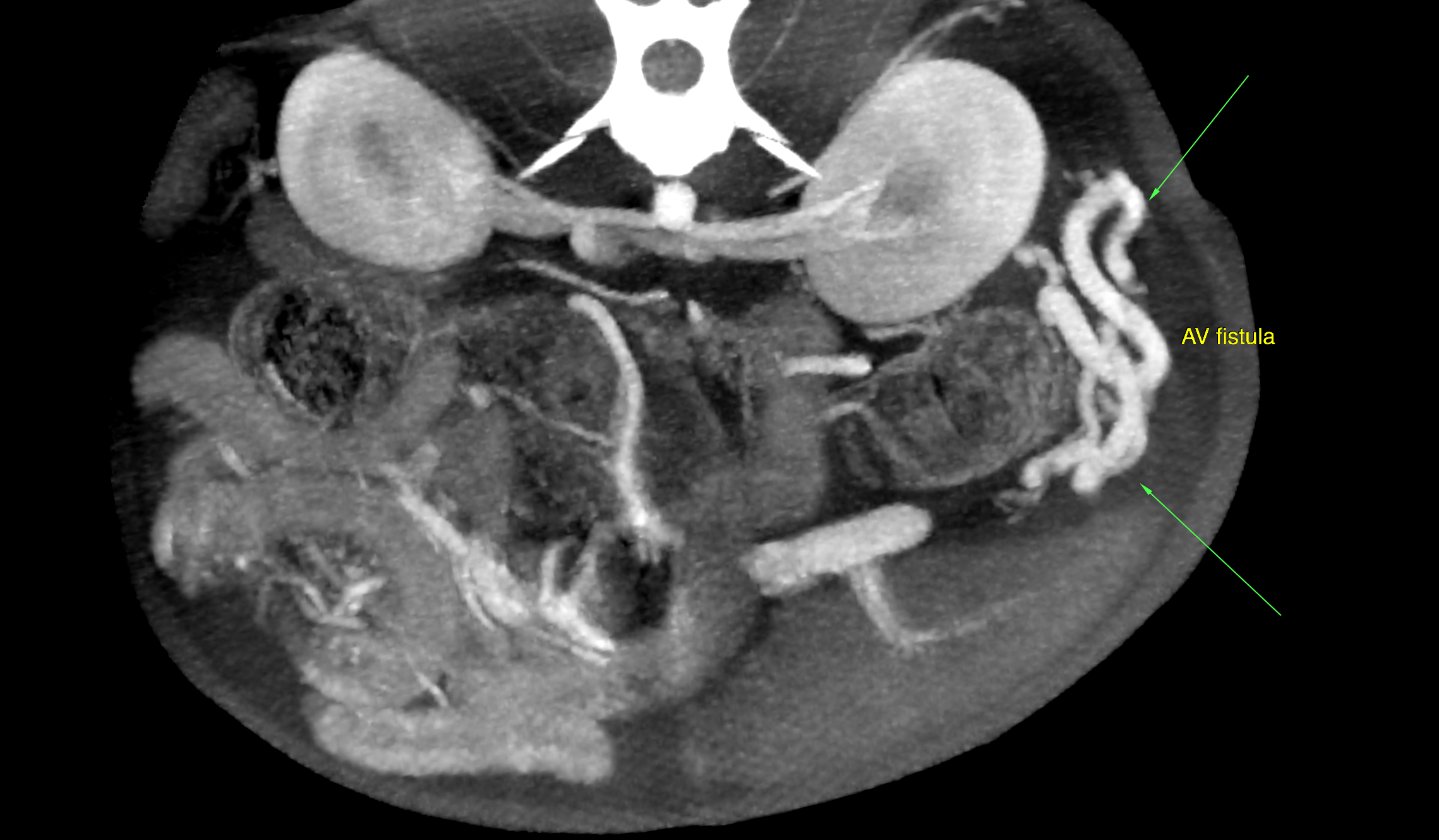
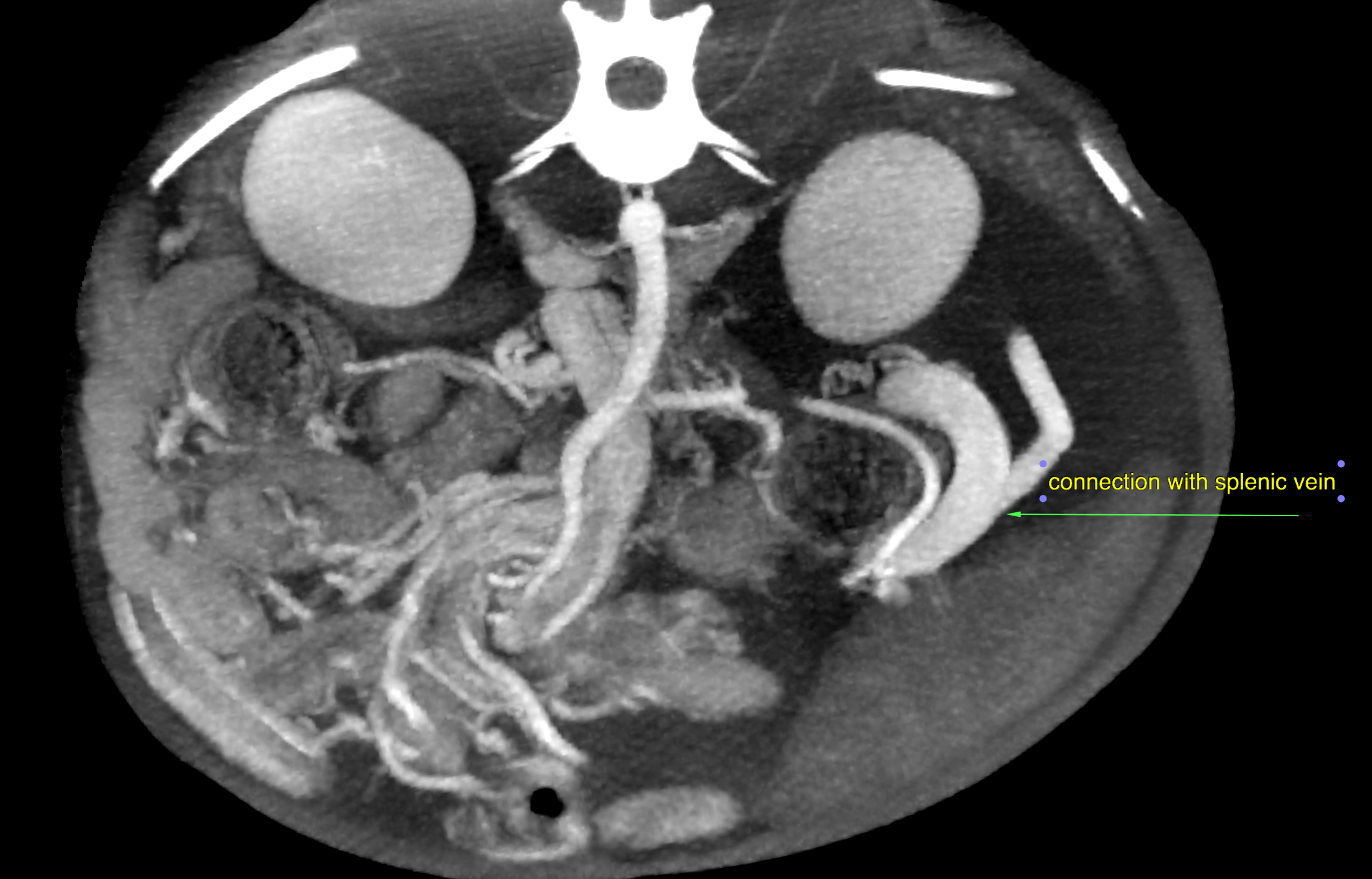
A moderate amount of free peritoneal fluid was present. Microhepatica was noted. The gallbladder was severely distended, and the gallbladder wall was mildly thickened. The spleen was enlarged which was likely a function of congestion. There was multifocal post contrast heterogeneity due to differential enhancement of the red and white pulpa. A single abnormal vessel connecting the portal vasculature with the systemic circulation was not seen. The extrahepatic portal vein was tortuous in course, low for enhancement and uneven in diameter. There was a formation of highly enhancing and tortuously spiraling vessels lateral to the left kidney. The high contrast enhancement was similar to the paralleling arterial enhancement of the aorta, celiac artery and cranial mesenteric artery which may be suggestive for arterial origin here. The caudal vena cava, splenic, and portal vein were lower in enhancement. The described vascular formation connected with the splenic vein on one end. The other end appeared to be connected with small tortuous vessels arising from the left renal cortex. Note that the exact origin of the vascular malformation cannot be defined based on this scan! There also was a formation of thin tortuous vessels in the region between the kidneys consistent with multiple acquired portosystemic collaterals. The intrahepatic branching of the portal vein was within normal limits. The splenic vein was larger in diameter and presented higher contrast enhancement compared to the portal vein. The intraabdominal caudal vena cava was relatively thin compared with the splenic and portal veins.
DX

The findings are compatible with portal hypertension and multiple acquired portosystemic collaterals. There also was potential for an arteriovenous fistula.

Outcome

A single congenital portosystemic shunt was not present. There was a moderate ascites and micro hepatica. The most likely origin of the potential arteriovenous malformation is the left renal vasculature. But note that the exact origin of the vascular malformation cannot be defined based on this scan! Common underlying causes to arteriovenous malformations in young animals are traumatic or congenital. The history of the patient should be reviewed for trauma.
It must be mentioned here that there is a chance of primary parenchymal or microvascular liver disease leading to portal hypertension and development of collateral vascularisation without the presence of an arteriovenous malformation. Further management requires a dynamic angiography covering the entire abdominal vasculature to verify the tentative diagnoses.
If an AV-fistula would be confirmed, an interventional AV-fistula embolisation may be planned. Interventional treatment is the gold standard method in these cases since surgical mass ligation carries the risk of missing macro- and/or microscopic fistulae, especially when not combined with post procedural angiography.
Primary liver disease with portal hypertension and acquired portosystemic shunting would preclude interventional and surgical treatment options. The final diagnosis of primary liver disease may require biopsies after ensuring sufficient coagulation capability (justifiable if platelet count > 50*103/μl, <25% prolongation of PT/PTT tolerable – less of deviation from normal values acceptable in presence of peritoneal effusion. The intensity of the post procedural patient monitoring needs to be tailored to the degree of deviation from normal reference ranges). Alternatively surgical biopsies may be obtained in case of impaired coagulation.

Patient Information

Patient Name : Yin Graham, Neel Veterinary Hospital
Gender : Female, Spayed
Species : Canine
Type of Imaging : Ultrasound
Status : Complete

Exam Finding

  • Ascites
  • Microhepatica

Images

bildschirmfoto_2015-07-28_um_10bildschirmfoto_2015-07-28_um_10bildschirmfoto_2015-07-28_um_10bildschirmfoto_2015-07-28_um_10bildschirmfoto_2015-07-28_um_11

Blood Chemistry

  • ALT (SGPT), High
  • BUN low
  • Pre-Prandial Bile Acids, High
Skip to content